AI amplifies your judgment — good and bad
The tools you hand your team can take real actions now. That changes who you should hand them to.
For most of business history, handing an employee a tool they didn't fully understand was a low-risk move. Worst case: nothing happened. They didn't use it, or they used it badly and were just a little less productive, and you noticed and helped them along. The downside of a confused employee with a new tool was inaction — quiet, recoverable, boring inaction.
That floor just disappeared.
Hand that same employee an AI tool that can take actions on its own — not just answer questions — and the failure mode flips. Now the downside isn't that nothing happens. It's that something happens. The tool, eager and confident, sends the email that shouldn't have gone out. Updates the record that should've been left alone. Kicks off a process at the wrong time, to the wrong list, with your company's name on it. The tool has hands now. Hands do things.
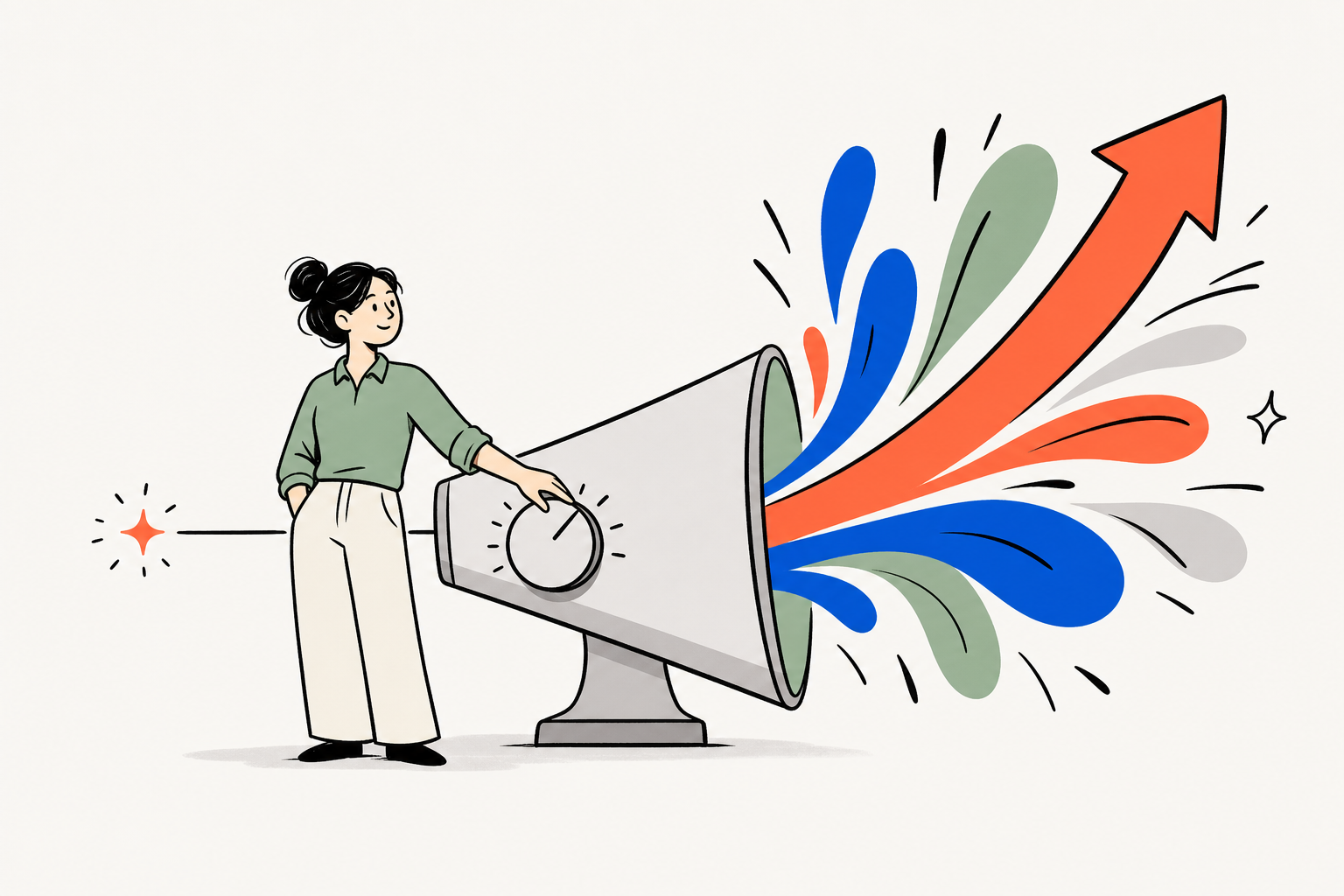
AI amplifies your judgment — both your good judgment and your bad judgment. The tool didn't add judgment. It multiplied whatever judgment was already in the room.
A great employee with good instincts, handed a powerful AI tool, becomes remarkable — more good calls, faster, at a scale they couldn't reach before. And someone who's still learning the ropes, handed that same tool, doesn't just stay unproductive. They can now make bad calls faster and at scale too.
So the question for owners stopped being "should we give people AI tools?" and became something more useful and more demanding: which tools, to which people, with how much power?
The instinct is to give everyone everything — it feels generous and modern. It's a mistake. The better move is to match the power of the tool to the judgment of the person holding it. Your most seasoned people — the ones whose calls you'd trust on your worst day — should have the most powerful, most autonomous tools, because amplifying their judgment is pure upside. Someone newer gets tools that suggest and draft, not tools that act and send, until they've earned the bigger ones. Not because you don't trust them as people. Because you understand what amplification does.
It's the same principle as every other tool in your business. You don't hand the keys to the largest truck to the newest driver on day one. Not an insult — just a sequence. AI is the same, except the truck can now drive itself, which makes the sequence matter more, not less.
Before you roll out an AI tool, don't ask "is this powerful?" Ask whose judgment is this about to amplify, and do I want it amplified?